Know the Basics Cold
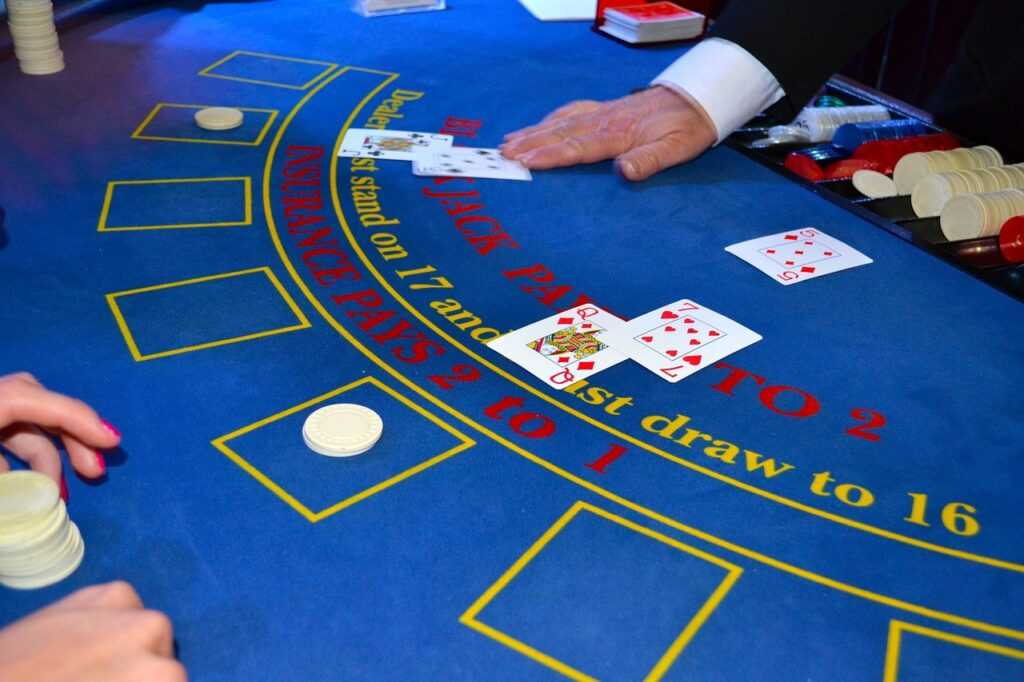
If you can’t explain how face cards are valued or what it means when the dealer hits on soft 17, you shouldn’t be putting money on the table. Blackjack isn’t chess, but it’s not pure luck either. Card values are simple: numbered cards are worth their number, face cards count as 10, and aces are 1 or 11, depending on what helps your hand. The goal? Beat the dealer’s hand without going over 21.
Dealer rules matter. Most casinos have a fixed standard a dealer must hit until they reach 17. Some hit on soft 17 (an ace and a six), which tilts the edge slightly toward the house. Know this before you sit down. It affects your odds, and smart players pay attention.
Etiquette also counts. Stack your chips cleanly. Don’t touch your cards in a face up game. Signal your moves tap for hit, slide for stand. Not only does it keep the game moving, but sloppy behavior gets you side eyes from both the dealer and regulars. No one wants to gamble next to someone who doesn’t know how to act.
If you skip the fundamentals, you’re bleeding chips from the start. Casual players who wing it make easy money for the house. Sharper players know the rules cold, and they use that knowledge to read situations quickly and avoid costly mistakes.
For the essentials that separate you from the tourists, check out these essential blackjack strategies.
Master the Basic Strategy Chart
A strategy chart is blackjack’s version of a cheat sheet but it’s grounded in math, not guesses. It tells you the statistically best move for every hand you could be dealt against every dealer upcard. It doesn’t care how lucky you feel or what happened last hand. It only cares about probability. And that’s why it matters.
Blackjack hands come in three types: hard hands (no Ace, or Ace counted as 1), soft hands (Ace counted as 11), and pairs (two of the same card). Each type plays differently, and the chart gives you clear rules on when to hit, stand, split, or double down. Say you have a pair of 8s and the dealer shows a 9. Basic strategy says split. No debate. Because over thousands of hands, that move loses you less money than any other.
The biggest rookie mistake? Trusting their gut over the math. The guy who always hits on 16 because “he’s lucky.” The player who never splits 10s because “it feels wrong.” That’s noise. Basic strategy cuts through it.
By sticking to the chart, you avoid emotional decisions, reduce the house edge, and give yourself a real shot at playing like you mean it. You’ll still lose some hands this isn’t magic but over time, you’ll keep more money in your stack.
To actually win at blackjack, you want habit, not hunches. The strategy chart makes that possible.
Don’t Chase Losses Manage Your Bankroll
Managing your bankroll is less about math and more about mindset. The 5% session rule is simple: never bet more than 5% of your entire bankroll in a single session. If you’re walking into a casino with $1,000, cap your betting for the night at $50. This keeps losses manageable and your strategy intact.
Next, set clear win and loss limits. Decide in advance how much you’re willing to lose and when to walk away if you hit that number. Same goes for wins. Hit your target? Cash out. Don’t get greedy.
But here’s where most players go off the rails: emotion. Tilt isn’t just for poker. Chasing after losses or pushing beyond your limits rarely ends well. Stay level. Be methodical. Emotional control isn’t just part of the strategy it’s your edge.
Discipline doesn’t guarantee a win, but it stops you from losing faster than the game requires.
Know When to Walk Away
Luck gives you a few hot hands, maybe even a streak. But it also takes, and faster than most players expect. That’s why discipline outlasts luck every time. Winning at blackjack over the long haul isn’t about riding waves it’s about knowing when to cash out, even if you’re up. Especially if you’re up.
Short, focused sessions are the sweet spot. Play with a purpose: a set amount of time, a set bankroll, a clear stop signal. Sitting at the table for hours hoping for a turnaround is how casinos make money. Show up sharp. Leave when the odds tilt.
And then there’s the “almost won” trap it’s a killer. That moment when you lose but feel like the next hand just might flip things. That mindset keeps players tethered to cold tables and spirals their bankrolls. Smart players don’t chase. They cut losses, take wins, and walk. Because at the end of the day, discipline isn’t boring it’s profitable.
Card Counting: Still Worth Learning?
Let’s start with the myth: card counting is illegal. It’s not. What it is at least in the eyes of casinos is unwelcome. Use your brain too well and you’ll get backed off the table or flat out banned. Casinos are private businesses, and they don’t need a law to ask you to leave.
The reality is more layered. Modern casinos use countermeasures: multiple decks, frequent shuffles, and automatic shufflers. Surveillance is tight, and pit bosses are trained to spot betting patterns. But despite the obstacles, counting cards especially using the Hi Lo system is still a real, usable edge.
Here’s the boiled down version of Hi Lo: cards 2 through 6 count as +1, 7 through 9 are neutral, and 10s, face cards, and Aces are 1. As cards are dealt, you tally a running count. If the count is high, more big cards are left in the deck good news for the player. That’s when you raise your bet. Low count? Bet the minimum and play defense.
It takes focus, discipline, and tons of practice. It won’t make you rich overnight, and it doesn’t work if you panic or go on tilt. But when paired with basic strategy and tight bankroll management, it gives the house a lot less breathing room.
Just know the stakes: even if it’s legal, the moment you look like a threat, security may kindly or not so kindly escort you out.
Avoid Side Bets (Unless You’re Feeling Generous)
Side bets are designed to be tempting. Flashy payouts, fun names, and the hope of hitting big with just one lucky hand. But let’s be clear: most of them are sucker bets. The house edge on common side wagers like Perfect Pairs, 21+3, or Lucky Ladies can range anywhere from 5% to over 24%. Compare that to the 0.5% edge when playing basic strategy, and it’s obvious who comes out ahead.
The reason’s simple: side bets are long shots. They’re not backed by solid math or consistent strategy. They rely on rare outcomes, like getting a suited pair or certain card combinations. Casinos love them because players chase the flash and ignore the odds.
That said, there are rare times when a side bet might make sense. If you’re counting cards and know the deck is rich in 10s and Aces, some side bets like Insurance or Royal Match can shift slightly in your favor. Even then, you’re maneuvering on edge. Unless you’ve crunched the numbers or practiced in simulations, it’s usually just lighting money on fire for entertainment.
Bottom line: side bets make the game more fun, but they don’t make it more profitable. Play them if you’re in it for thrills, not for maximizing returns.
Final Pro Secrets for a Smarter Game
Professionals don’t just play well they play smart before a single card hits the felt. First rule: table selection. Always aim for blackjack tables that pay 3:2 instead of 6:5. The difference may look small, but it adds up fast over time. Also, go where the dealer stands on soft 17 you give yourself better odds just by sitting down at the right table.
Second, keep your mind sharp. Alcohol and focused strategy don’t mix. Casinos bank on players making loose calls after a few drinks. If you want real returns, stay sharp and leave the cocktails for the celebratory round.
Lastly, slow down. Rushing hand after hand works for the house, not you. Play fewer hands per hour. It gives you more time to analyze each decision, spot tells, and manage your bankroll with intention. Intent beats impulse every time.
For even deeper tactics: Explore more essential blackjack strategies
 Alanns Ritcheyers – Author
Alanns Ritcheyers is a skilled author at Smart Gamble Land, known for his expertise in winning techniques and the art of gambling strategy. With a keen focus on teaching advanced betting systems, Alanns' content is tailored to players eager to refine their approach to gambling. His methodical breakdowns of complex systems are designed to make challenging concepts accessible to a wide audience. Alanns is dedicated to helping players maximize their potential at the casino by blending strategy with practical tips for real-world application.
Alanns Ritcheyers – Author
Alanns Ritcheyers is a skilled author at Smart Gamble Land, known for his expertise in winning techniques and the art of gambling strategy. With a keen focus on teaching advanced betting systems, Alanns' content is tailored to players eager to refine their approach to gambling. His methodical breakdowns of complex systems are designed to make challenging concepts accessible to a wide audience. Alanns is dedicated to helping players maximize their potential at the casino by blending strategy with practical tips for real-world application.