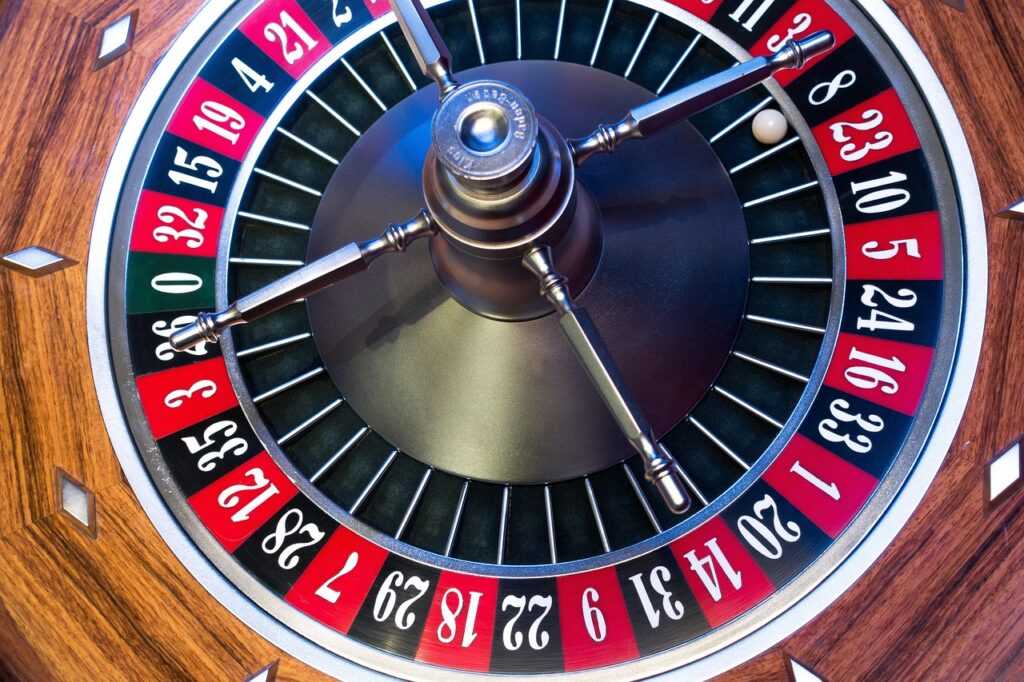

What Counts as a Near Miss
In gaming and gambling, a near miss is when you almost win but don’t. You line up two cherries on the slot machine, the third just slips past. You scratch off three numbers, and two match. Your team leads all game but loses in the final seconds. These moments look like success is just around the corner, and that’s what makes them potent.
Slot machines are the classic example. You spin the reels and get two bars, then the third stops just above or below the win line. You didn’t win anything, but your brain tells you that you were close. Close is powerful. Lottery scratch offs do the same. They often reveal two winning symbols early, setting you up for a dopamine hit when the third doesn’t show. Sports betting has its own flavor. A missed field goal as time expires feels gutting, not because you lost, but because you almost won.
Near misses don’t offer a reward, but they trigger a kind of twisted optimism. It’s not rational, but it’s human. They plant the idea that success is possible just one more try away.
The Brain’s Reaction to Near Misses
Near misses feel strange because they fool your brain. You didn’t win, but it sure doesn’t feel like a total loss. That’s because near misses light up the same reward centers in your brain that real wins do. Specifically, they trigger a dopamine response your brain’s way of saying, “That was close, try again.”
Dopamine isn’t just about pleasure. It’s about motivation and anticipation. When you almost win, your brain interprets it as progress like you’re learning, improving, getting warmer. That creates a misleading sense that success is just around the corner.
But here’s the catch: neurologically, a near miss is still a loss. It doesn’t change your odds, and it doesn’t pay out. The reward circuitry says ‘almost there,’ but the rational part of your brain knows you’re back at zero. The tension between those signals is what keeps people chasing.
Understanding this difference is key. It’s not about lacking willpower your brain is reacting the way it’s wired to. But once you can spot that illusion of progress, you can also start managing how much it pulls you in.
The Dangerous Motivation Loop

Near misses mess with your head. You don’t hit the jackpot, but you get just close enough to think, “Maybe next time.” That tiny gap between losing and almost winning triggers something powerful and risky.
The brain reads a near miss as progress. Dopamine still fires, almost as if you won. The reward system lights up and tells you, in not so many words: keep going. This creates a feedback loop. You tell yourself one more try can change everything. Repeat that enough times and the line between hope and habit starts to blur.
This is exactly where risk taking behavior ramps up. Instead of walking away, players double down. They chase the feeling not the win. Over time, this can morph into patterns linked with problematic gambling. The thrill of an almost win reinforces the urge to keep trying, even against the odds.
It’s not just bad luck; it’s biology being nudged in the wrong direction. Recognizing that link is step one to breaking the loop.
Further reading: The Allure of Jackpots
How Game Designers Use Near Misses
Near misses aren’t just accidents they’re engineered. Game designers build these moments in on purpose. It’s in the flicker of lights, the rising soundtrack just before the result, and the wheel stopping one tick too short of a jackpot. These elements are tuned for impact. They’re not about luck. They’re about keeping you hooked.
Frequency matters too. The right balance of actual losses and near wins is what drives players to keep going. Too many misses in a row and people walk. Too few, and the suspense dies. So games get fine tuned. Algorithms are written to serve up just enough “almosts” to make you believe the next click or spin could be it.
Of course, this opens a tough ethical conversation. Is it fair to use known psychological triggers dopamine pathways, addictive loops, visual reinforcement to increase player time and spend? Designers will say it’s entertainment. Critics will say it’s manipulation.
For more on how the promise of a big win plays into these tactics, check out The Allure of Jackpots.
Managing the Impact
The first step in managing the psychological pull of near misses is self awareness. Recognize your own patterns during gameplay especially the moments you feel unusually pulled to keep going. If you find yourself doubling down after a near miss, convincing yourself that a win is “around the corner,” pause. That’s often the trigger zone.
Mindful gambling isn’t about quitting cold turkey. It’s about making conscious decisions instead of automated ones. Use tools like session timers, spending trackers, and “cool off” lockouts. Many gaming platforms now integrate these features, but you have to turn them on. Do it.
Knowing when to take a break is critical. If you’re chasing losses, ignoring time, or feeling flustered, step away. The game will still be there but your headspace might not. Breaks interrupt emotional momentum, which is often what keeps people on the spin slide.
Lastly, lean on smarter strategies and outside support when needed. Sites like GambleAware and SmartGambleLand offer not just information, but practical steps to gamble responsibly like setting limits and spotting stress signals. Healthy gambling isn’t just possible it’s necessary.
 Elizabeth Kaylor – Author
Elizabeth Kaylor is an experienced author and contributor at Smart Gamble Land. Specializing in casino game mastery and player psychology, Elizabeth provides readers with in-depth tips on how to approach popular casino games with confidence and precision. Her expertise in understanding player behavior, game dynamics, and strategy allows her to craft engaging content that appeals to both novice and experienced gamblers alike. Elizabeth's insightful articles offer readers the tools they need to thrive in high-stakes environments.
Elizabeth Kaylor – Author
Elizabeth Kaylor is an experienced author and contributor at Smart Gamble Land. Specializing in casino game mastery and player psychology, Elizabeth provides readers with in-depth tips on how to approach popular casino games with confidence and precision. Her expertise in understanding player behavior, game dynamics, and strategy allows her to craft engaging content that appeals to both novice and experienced gamblers alike. Elizabeth's insightful articles offer readers the tools they need to thrive in high-stakes environments.