
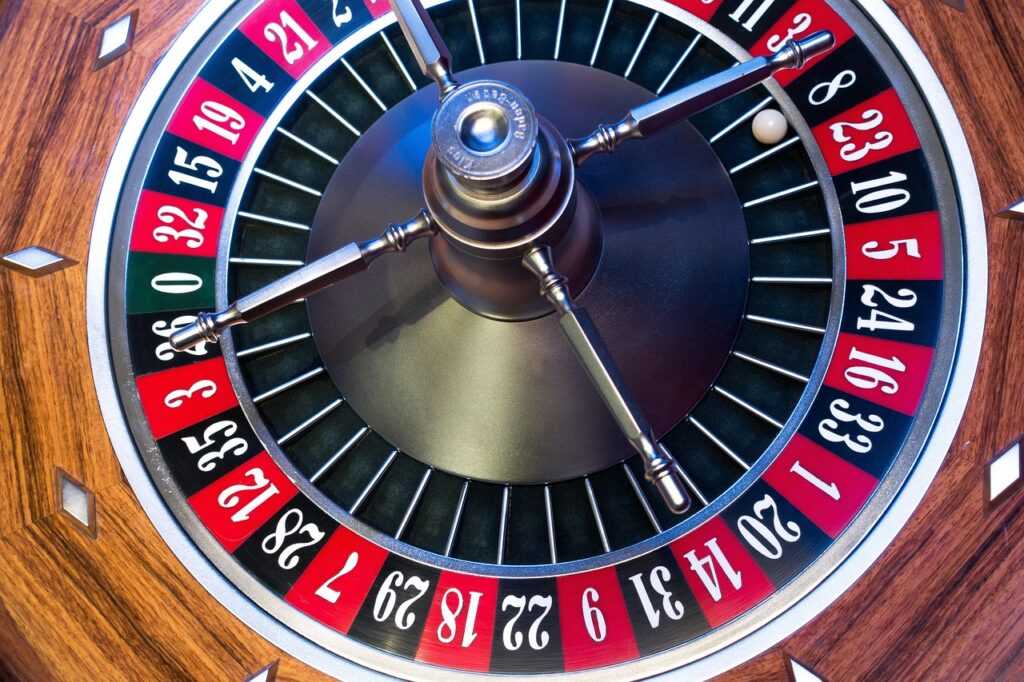
What It Means to Chase Losses
Chasing losses is what happens when emotion overrides logic. It usually kicks in after a tough loss when instead of stepping back, you double down. You tell yourself that the next bigger bet will bring it all back. It rarely does.
This behavior is driven by a false belief: that you can outplay randomness, that increasing your bets will somehow rebalance the scale in your favor. In reality, you’re working from a place of frustration, not strategy, and the odds haven’t suddenly changed because you’ve taken a hit. If anything, they’re more likely to work against you now because emotion clouds your judgment.
Think of the casual sports bettor who loses a Sunday parlay, then chases it with a last minute NBA over under desperate to break even. Or the poker player who buys in a second or third time after a beat, steaming with tilt. Even at the high stakes level, seasoned players fall into this trap, believing the next hand, round, or roll will deliver redemption.
They’re not alone. Chasing losses is common and deeply human. But the damage piles up fast which is why spotting it early is key to staying in control.
The Psychology Driving the Behavior
When losses hit, reason tends to take a backseat. Ego tells you that you’re smarter than the odds. Hope whispers that the next bet could be the one that turns it all around. Fear shouts that walking away now means you’ve lost for good. None of these are logical. But they’re powerful.
Under pressure, our brains distort risk and reward. A normal decision process gets hijacked by high emotion. Losing $200 doesn’t feel like a statistical dip it feels personal. So, people double down, looking to even the score instead of stepping back. The emotional heat pushes decision making from the prefrontal cortex (logic) to the limbic system (survival instinct). That’s when smart gamblers start making dumb moves.
Then there’s the illusion of control. Many believe if they “stick with it” or change up their strategy, they can bend the game in their favor. It’s classic gambler’s fallacy: the idea that past outcomes make future ones more likely. That a series of losses somehow means a win is “due.” But in games of chance, each spin, roll, or hand doesn’t care what happened before.
The mind is wired to find patterns, cling to hope, and protect ego. When money’s on the line, those instincts become dangerous fuel for chasing losses.
The Sunk Cost Trap

Sticking with a losing strategy often feels rational but it’s usually a mental trap fueled by emotion and past investment. This behavior is known as the “sunk cost fallacy,” and it affects far more than just gamblers. From finance to relationships, people struggle to walk away from something they’ve already invested time, money, or energy into.
Why We Stay Committed to Failing Bets
When we’ve already lost money, doubling down can feel like the only way to make the loss “worth it.”
There’s a psychological need to justify the original decision
Walking away feels like admitting failure or giving up
Regret aversion kicks in we fear missing a bounce back win
How Past Investments Cloud Future Thinking
The danger lies in our inability to treat each decision independently. Instead of evaluating a bet based on current odds and conditions, we bring emotional baggage from previous outcomes.
Past losses create a perceived “need” to recover
We continue investing even when logic says to quit
It’s harder to assess situations objectively when emotions are involved
What You Can Do About It
Escaping the sunk cost trap starts with awareness, followed by a shift in mindset and behavior:
Accept that past losses are gone they don’t define your next move
Use objective criteria to make new decisions (not emotional residue)
Build in routine moments of reflection to evaluate strategy without urgency
For a deeper breakdown on this topic and tools to help reset your mindset, explore the full guide on the sunk cost fallacy.
How to Break the Cycle
Chasing losses thrives when there are no boundaries. Set hard limits on both time and money then enforce them without debate. If you go over, you’re not trying to win anymore. You’re reacting. That never ends well.
Treat each bet like a new coin toss, not a way to undo the last one. Let go of the emotional residue from wins or losses. Clinging to past outcomes warps your judgment and makes bad math feel like good instinct.
When you feel tilt creeping in mental fog, a sense of urgency, minor rage step away. Literally. Breaks reset your decision making, and they’re underrated as hell.
Last, zoom out. Think longer term. Are your decisions setting you up to lose less, or win smarter, over time? If you’re just clicking buttons for the short term rush, you’re not strategizing you’re chasing. And that’s the trap.
Tools and Strategies That Actually Help
This is where discipline becomes real. If you’re trying to avoid the chase trap, you need tools that go beyond good intentions.
Start with a data tracking app. These give you a black and white view of how you’re actually performing not how it felt after that one lucky hand. Patterns emerge fast when you remove emotion. You’ll see what time of day you lose the most, what types of bets sink you, and when you’re starting to stretch.
Next: bankroll management. It’s not glamorous, but it works. Set clear betting caps daily, weekly, monthly. Stick to percentages, not vibes. A common rule? No more than 1 2% of your total bankroll on a single bet. It keeps you from spiraling.
Learn the signs of chase behavior. Increased bet size right after a loss? Feeling agitated and justifying “one more try”? That’s not strategy that’s panic. Interrupt the loop early. Walk away or switch to a non betting activity before it snowballs.
Finally, shift how you see losses. One loss doesn’t define your ability. It’s part of the math. Even skilled players lose in fact, they plan for it. Think in curves and probabilities, not wins and ego. That’s how you keep control.
Rethinking “Winning” Altogether
When it comes to gambling or strategic betting, short term wins can be deceiving. To truly stay ahead and avoid the emotional traps of chasing losses it’s essential to redefine what winning means.
Prioritize Rational, Informed Play
The most successful gamblers understand that consistency and clarity beat emotion and impulse. Instead of reacting to wins or losses, they follow clear, well researched strategies:
Base decisions on data and long term patterns
Avoid gut feelings or heat of the moment choices
Recognize variance as part of the game not a sign to change course
Redefine Success
Outcome based thinking often skews decision making. Just because a bet pays off doesn’t mean it was a good decision and vice versa. Shifting your mindset can help maintain control:
Measure success by how well you followed your plan
Focus on whether your reasoning was sound, not whether you profited
Track your decision process, not just your win/loss record
Strengthen Mental Discipline
Mental discipline isn’t willpower it’s strategy. Using simple psychological tools can help build resilience and prevent emotional betting:
Create self check prompts before placing bets: “Is this part of my strategy?”
Use future pacing consider how you’ll feel about this choice tomorrow
Learn to pause after losses rather than immediately react
Dive Deeper Into The Psychology of Losses
Understanding psychological traps like the sunk cost fallacy can help you detach from emotional decisions. If you’re struggling to stop chasing losses, it’s worth exploring this concept in depth:
Read about the sunk cost fallacy and how to overcome it →
By rethinking what it means to “win,” you put yourself in control not your emotions, not your past bets, and certainly not blind luck.
 Earlee Nelsonallers – Founder
Earlee Nelsonallers is the visionary founder of Smart Gamble Land, bringing over two decades of experience in the gambling industry. Passionate about strategy and innovation, Earlee has made it his mission to provide gamblers with advanced insights into winning techniques, effective betting systems, and casino game mastery. His deep understanding of gambling psychology has been the driving force behind the platform's success, making Smart Gamble Land a go-to resource for players seeking an edge. Earlee's dedication to educating and empowering gamblers sets the foundation for the platform's authoritative content.
Earlee Nelsonallers – Founder
Earlee Nelsonallers is the visionary founder of Smart Gamble Land, bringing over two decades of experience in the gambling industry. Passionate about strategy and innovation, Earlee has made it his mission to provide gamblers with advanced insights into winning techniques, effective betting systems, and casino game mastery. His deep understanding of gambling psychology has been the driving force behind the platform's success, making Smart Gamble Land a go-to resource for players seeking an edge. Earlee's dedication to educating and empowering gamblers sets the foundation for the platform's authoritative content.